


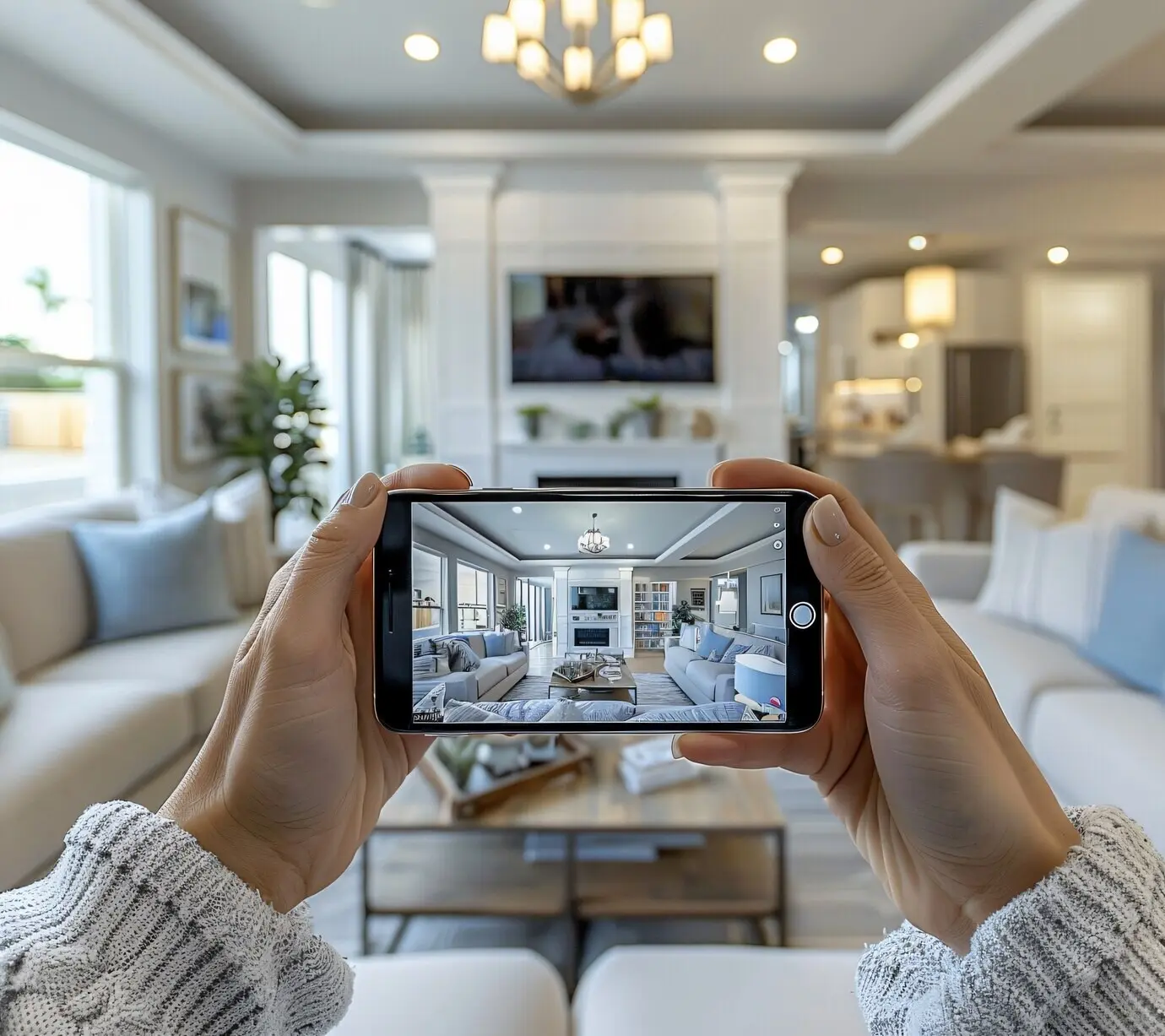
Mix warm, high-CRI sources with opaque shades to reduce glare. Use dimmers and multiple circuits to shift from bright utility to soft evening glow. Consider concealed LED strips under shelving, toe-kicks, and inside closets for quiet convenience. Avoid cool, harsh temperatures that flatten textures. Tell us where a single added dimmer or better bulb transformed your room’s mood more than a new fixture ever could.
Hard surfaces bounce sound, so balance them with rugs, drapery, upholstered seating, and bookshelves that break up reflections. Even small panels behind art can help. Quiet hinges and felt bumpers reduce clang and rattle. Create conversation zones with softer materials underfoot. Share a real-world trick—like double-layer curtains or fabric-taped cabinet doors—that made your home noticeably calmer without obvious visual changes.
Replace heavy, constant scents with gentle, seasonal notes: citrus and cut herbs for summer, cedar and smoked tea for winter. Use diffusers or candles sparingly, focusing on entry, bath, or bedside. Fresh air and cleanliness remain the foundation. Share a scent ritual that signals downtime for you—perhaps a linen spray on pillowcases or a single candle lit only during reading hour.
Program scenes—morning, work, dinner, unwind—with warm color temperatures in the evening and crisper light when needed. Physical dimmer keypads beat phone-only control for guests and children. Use occupancy sensors sparingly in closets and pantries. Keep labeling simple. Share a scene stack or control layout that finally ended the nightly “which switch is which” shuffle and made rooms friendlier for everyone.
A quietly efficient HVAC system stabilizes temperature and humidity, preserving wood and wellbeing. Integrate smart thermostats, MERV-13 filtration, and localized radiant heat for tactile comfort. Houseplants and operable windows still matter. Keep vents clean and returns unobstructed. Tell us which improvement—humidification, filtration, or zoning—made the biggest difference in sound levels, sleep quality, and furniture longevity at your place.
In-wall speakers and compact subwoofers deliver presence without clutter. Calibrate volumes to speak softly in open plans. Use fabric-fronted cabinetry or perforated panels to conceal components. Prioritize service access to avoid future headaches. Share how hidden audio changed movie nights or dinner music, and which subtle tuning choices kept conversation clear while adding warmth to the atmosphere.

Give objects space to breathe. Group by tone, material, or story rather than filling every shelf. Negative space lets light move and eyes rest. Rotate pieces seasonally to renew appreciation. Keep a storage drawer for beloved items off-duty. Share how a weekend edit—one surface at a time—improved calm more than any new purchase and encouraged mindful collecting.

Schedule small, satisfying tasks: conditioning leather, oiling cutting boards, tightening wobbly legs, and washing windows until daylight sparkles. These rituals protect investments and cultivate gratitude. Keep natural cleaners handy and labels simple. A cared-for home feels kinder. Share a maintenance routine you actually enjoy, and the playlist, tea, or timer trick that helps you keep it effortless and consistent.
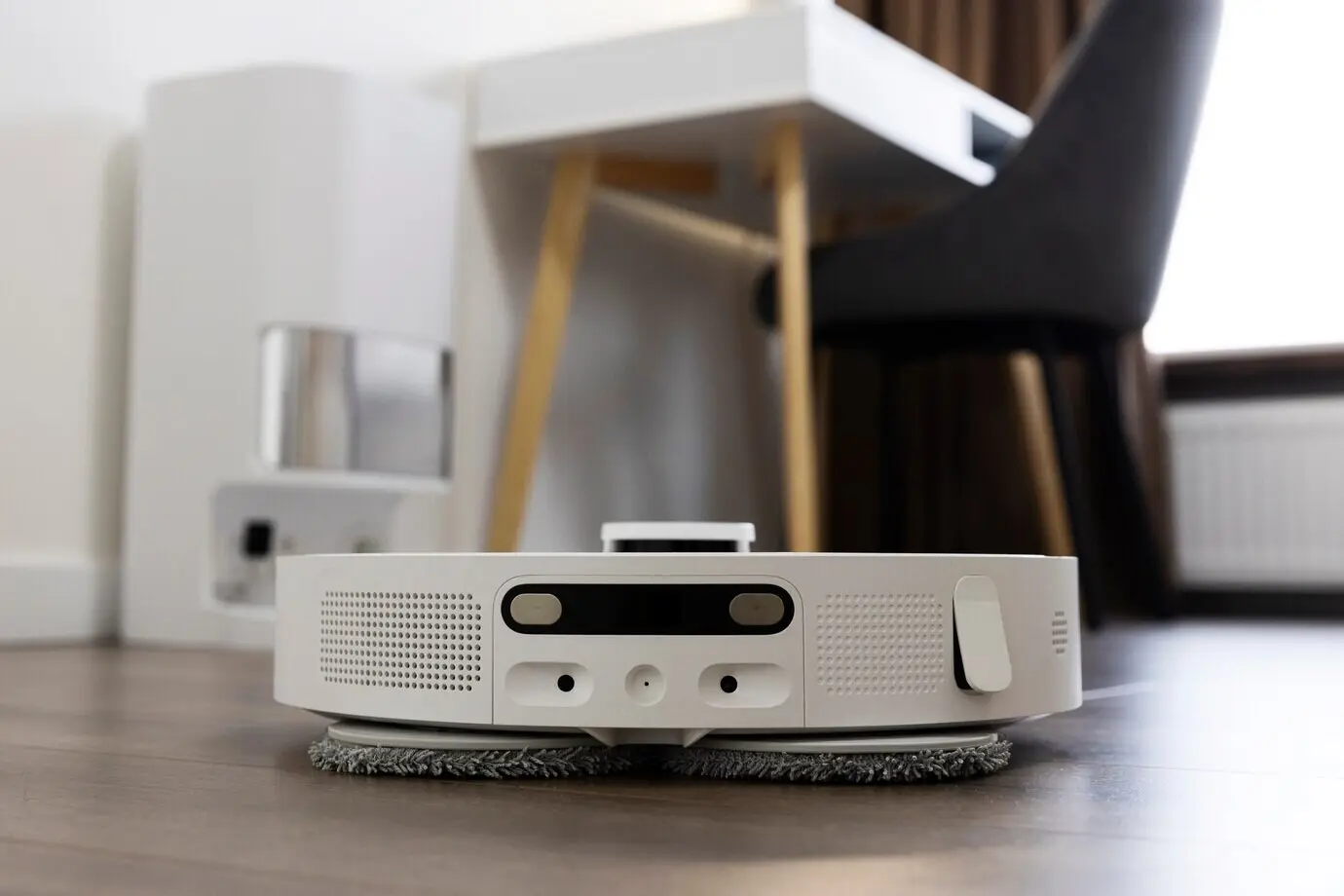
Choose upgrades that respect resources: reclaimed wood, low-VOC finishes, and durable fixtures with serviceable parts. Buy once, buy well, repair often. Seek manufacturers who publish material transparency. Longevity itself is sustainable. Share a product or practice—perhaps refitting vintage hardware or re-upholstering a classic chair—that blended environmental responsibility with unmistakable elegance and long-term, real-world value.
All Rights Reserved.