Layering Light for Soft, Elegant Moments
Welcome in and exhale. Today we’re exploring layered lighting plans for a soft, elegant ambience, revealing how ambient, task, accent, and decorative sources interlace to create comfort, calm, and quiet sophistication. Expect practical guidance, warm anecdotes, design math made friendly, and simple choices that transform harsh glare into gracious glow. We will move from concept to controls, touching rooms of every kind, so you can shape evenings that feel intimate, mornings that feel gentle, and gatherings that sparkle without shouting.
Foundations of a Gentle Glow
Beautiful rooms rarely depend on a single bulb. Instead, they rely on a tapestry of light that sets the mood and invites conversation. Begin with an even base that never feels flat, then weave in discreet highlights and purpose-driven beams. Think of light as architecture you cannot touch: it defines edges, softens corners, and guides attention. Done well, the result feels unforced, as if the space always wanted to be this calm, welcoming, and quietly refined.




Color, Warmth, and Material Alchemy

Choosing Color Temperature
Color temperature shapes mood before furniture even speaks. For elegant serenity, linger around 2700–3000K in living spaces, shifting slightly cooler in productive zones if desired. Keep layers consistent to avoid jarring transitions. Candlelike warmth calms evenings, while a gentle step brighter supports morning clarity. When testing, dim to dinner level and observe how wood, fabrics, and skin look. The ideal choice disappears into experience, feeling inviting rather than obviously warm or clinically cool.
High CRI, Honest Colors
High CRI lighting respects the truth of materials. Paint colors, artworks, and natural finishes deserve faithful rendering, not muddied hues. Select 90+ CRI sources for key areas, especially where textiles, food, or faces take center stage. Crisp color doesn’t mean harsh light; it means details feel lifelike, shadows remain gentle, and subtle tones read as intended. When your favorite rug glows as beautifully at night as it does in daylight, you’ve chosen wisely and thoughtfully.

Materials that Soften
Shades and diffusers behave like translators between bulb and room. Linen, opal glass, alabaster, and frosted acrylic scatter brightness into a flattering envelope. Perforated metals create alluring, stippled halos. Avoid overly glossy reflectors that punch hotspots onto walls. If a fixture feels dazzling, add a diffuser, adjust height, or try a lower-lumen source. Soft materials don’t just prettify; they protect the eye, allowing you to layer more lights without visual fatigue or restless glare.
Living Room Layers
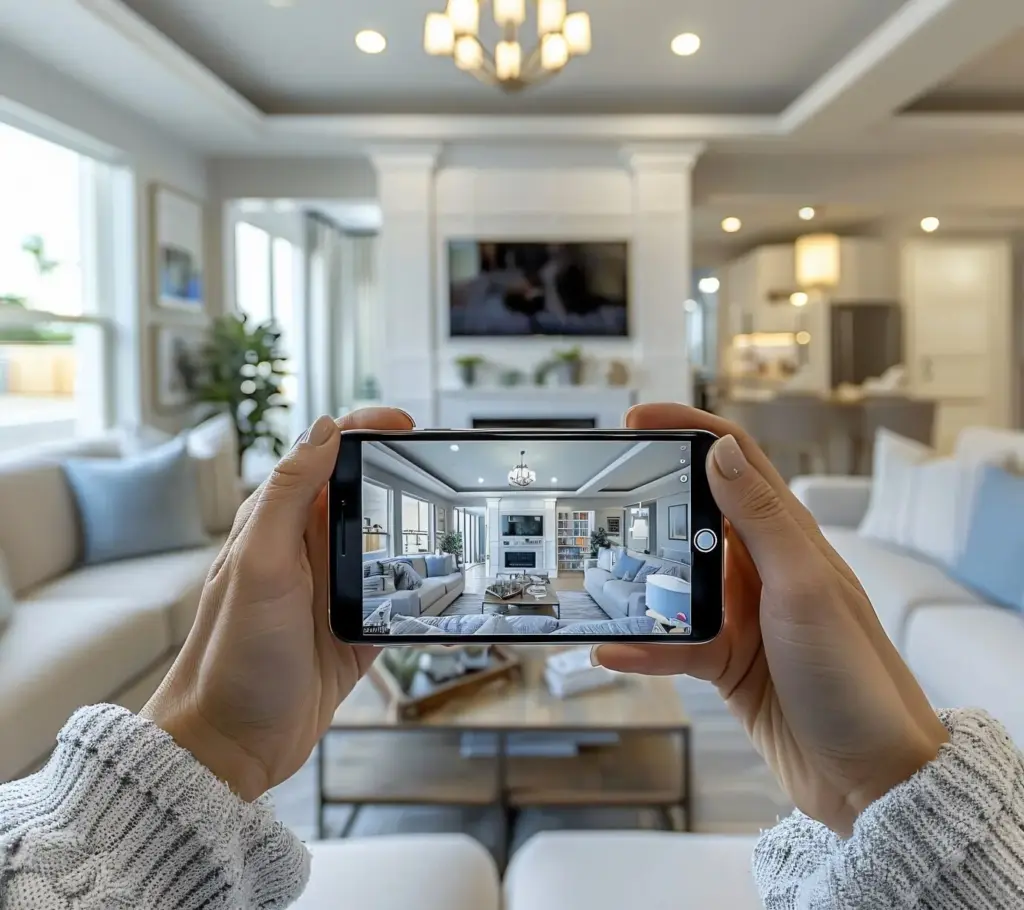
Start with dimmable ambient sources—concealed coves, shaded flush mounts, or a soft chandelier—then add table lamps at varied heights to anchor conversational zones. Picture lights and adjustable accents highlight art and books, while a small uplight behind a plant adds depth. Keep brightness slightly asymmetric for interest. If the television glows, reduce surrounding light just enough to preserve contrast while avoiding eye strain. The result invites long talks, quiet reading, and movie nights that feel cozy.
Bedroom Rituals
Aim for sanctuary: low ambient levels, warm color temperature, and tactile materials. Bedside sconces or pendants with opaque backs keep partners undisturbed, while small, focused beams make page-turning easy. Add a floor lamp near a lounge chair for evening reflection and a gentle nightlight to guide midnight paths. Closet lighting should be bright yet covered, preventing glare at sleepy hours. Let mornings brighten gradually—smart scenes lift levels softly—so the day begins with grace, not shock.
Kitchen Without Harshness
Kitchens can be precise without turning clinical. Use continuous under-cabinet lighting with diffusers for shadow-free prep, pair it with a thoughtful pendant trio over the island, then maintain balanced ambient fill from recessed or track sources. Keep color temperatures harmonized to avoid patchwork tones. Add an accent to display shelving or a soft toe-kick glow for nighttime navigation. Dimmers create transitions between bustling cooking and intimate dining, proving functionality and elegance can absolutely share the same room.
Control, Dimming, and Quiet Drama
Light that cannot change cannot comfort. Dimming, zoning, and scene-based control let your home breathe with you. Dinner needs a gentle envelope; cleanup wants clarity; late-night conversations ask for hushed sparkle. Group fixtures by activity rather than simply by circuit layout. Keep controls intuitive, labels clear, and transitions smooth. Whether you prefer rotary dimmers, smart switches, or app scenes, the point is ease. Good control makes good fixtures extraordinary, revealing nuance at every moment’s request.

Placement, Height, and Proportion
Even perfect fixtures can misbehave if placed carelessly. Height sets tone, spread determines comfort, and spacing governs rhythm. Consider sightlines from couches, beds, and doorways. Bounce light off walls or ceilings to soften output, and position shades to hide bright sources from seated eyes. A well-composed plan layers heights—floor, table, wall, and ceiling—to create dimensionality without clutter. Measure, test, and adjust. The most elegant rooms feel inevitable because proportions have been patiently tuned.
Stories, Missteps, and Gentle Fixes
Every home teaches lessons. A couple once thought more recessed downlights would guarantee elegance; instead, the room felt interrogated. We replaced a few cans with shaded lamps, installed dimmers, warmed color temperature, and aimed one small spot at a favorite painting. Overnight, the atmosphere softened. Such pivots are common. If something feels off, adjust one variable at a time, observe at night, and trust your eyes. Comfort, after all, is the ultimate design credential.
All Rights Reserved.